



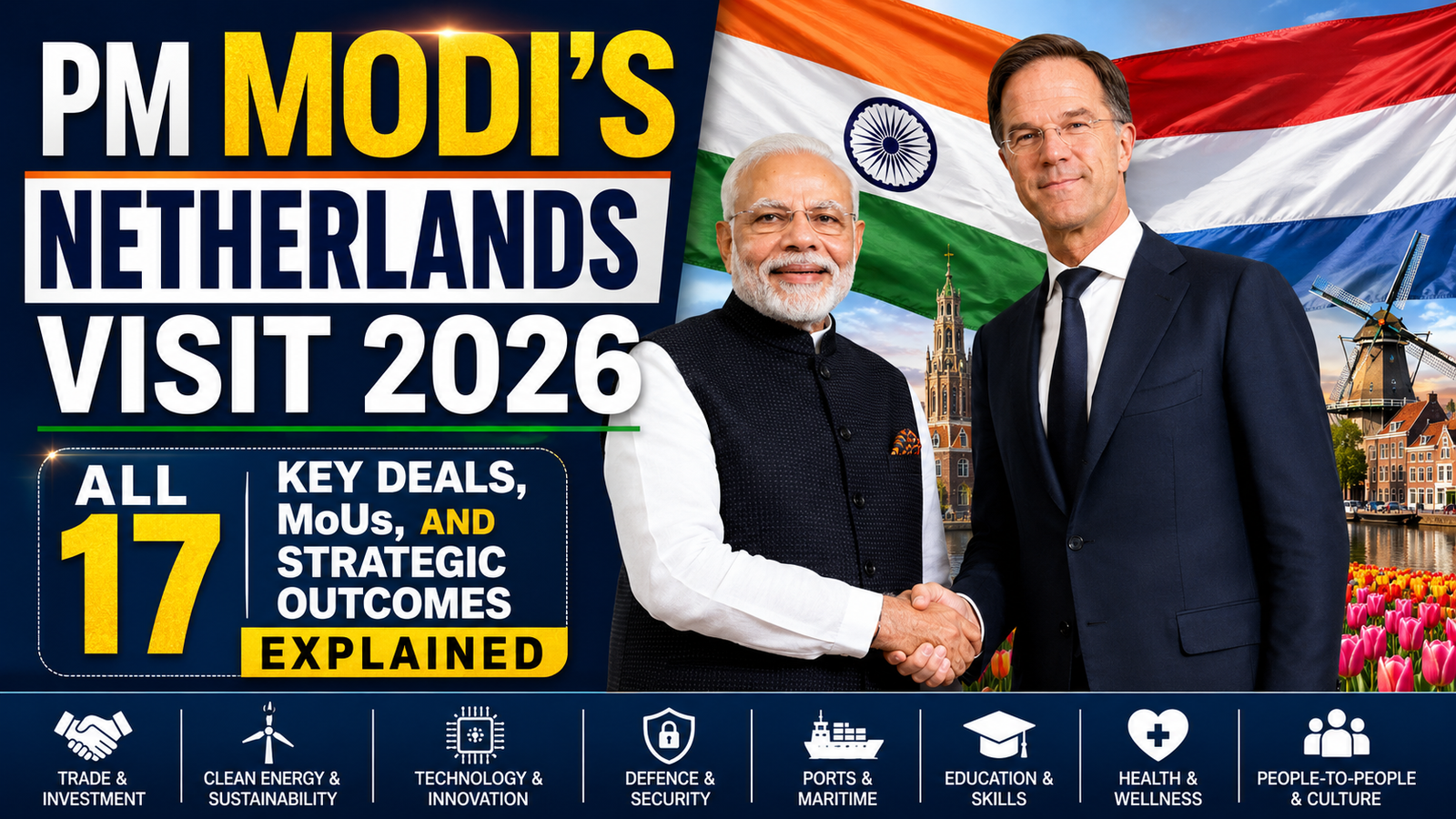
PM Modi’s Netherlands visit in May 2026 yielded 17 landmark outcomes including a Strategic Partnership Roadmap 2026–2030, TATA-ASML semiconductor deal, Green Hydrogen MoU, and the restitution of Chola copper plates. Read the full breakdown.
The Hague, May 17, 2026 — Prime Minister Narendra Modi’s two-day official visit to the Netherlands (May 15–17, 2026), as part of his landmark 5-nation European tour, concluded with a sweeping set of 17 bilateral outcomes that have significantly elevated India-Netherlands ties to the level of a formal Strategic Partnership. From cutting-edge semiconductor manufacturing to centuries-old cultural heritage, the breadth of agreements signals a new chapter in one of India’s most productive European partnerships.
1. India-Netherlands Strategic Partnership Roadmap 2026–2030
The single most consequential outcome of the visit was the formal elevation of bilateral ties to a Strategic Partnership, backed by a detailed roadmap covering the period 2026 to 2030. Prime Ministers Modi and Rob Jetten jointly adopted this framework, which outlines structured cooperation across six major pillars: trade and investment, innovation and technology, defence and security, renewable energy, people-to-people mobility, and emerging technologies. This roadmap gives institutional depth to a relationship that had previously operated on a more transactional basis, and sets measurable goals for collaboration across both public and private sectors over the next four years.
2. TATA Electronics–ASML MoU: India’s Semiconductor Leap
One of the most strategically significant deals signed during the visit was the MoU between TATA Electronics and ASML, the Dutch company that manufactures the world’s most advanced chip-making machines. The agreement is aimed at supporting the development of a semiconductor fabrication (fab) plant in Dholera, Gujarat — a key node in India’s National Semiconductor Mission. ASML’s extreme ultraviolet (EUV) lithography technology is essential for producing next-generation chips, and this partnership positions India closer to semiconductor self-sufficiency. The deal is widely seen as a breakthrough in India’s ambition to become a global electronics manufacturing hub.
3. Mobility and Migration MoU
India and the Netherlands signed a Memorandum of Understanding on Mobility and Migration, facilitating the movement of skilled professionals, students, and workers between the two countries. The agreement is expected to ease visa processes for Indian tech professionals and students seeking opportunities in the Netherlands, and reciprocally support Dutch nationals engaged in India’s growing economy. This MoU reflects the practical side of the Strategic Partnership — ensuring that human capital can flow as freely as trade and investment.


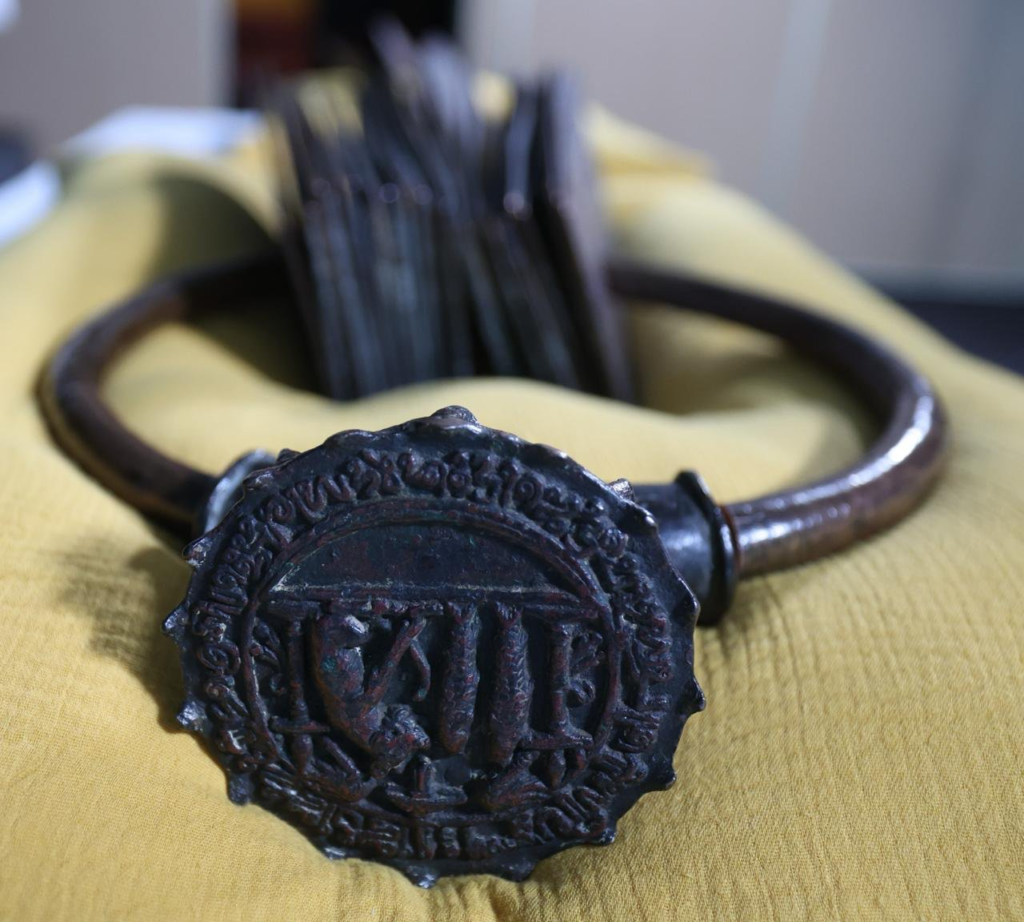
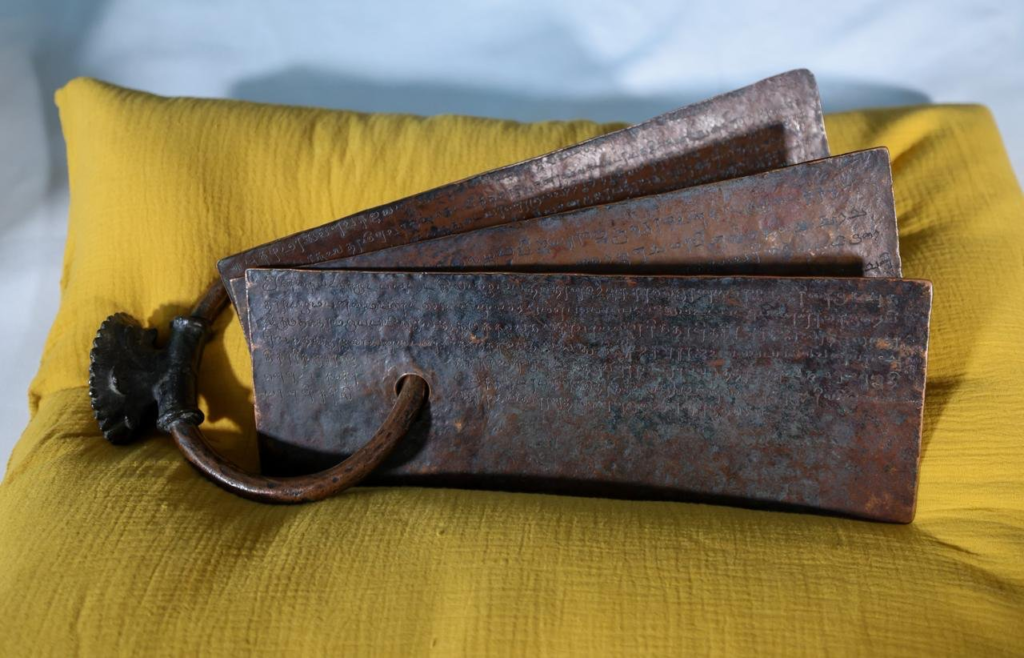
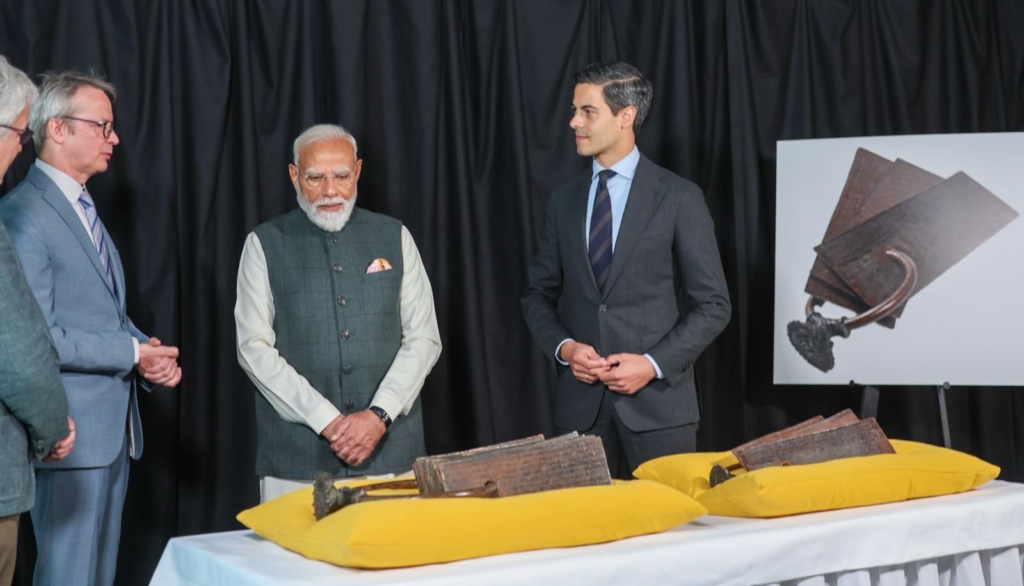
4. Restitution of 11th-Century Chola Copper Plates
In a moment of deep cultural and historical significance, the Netherlands formally restituted rare 11th-century Chola-era copper plates to India during the visit. These artefacts, which are inscribed with ancient Tamil script and carry immense historical value, had been held outside India for decades. Their return is part of a broader global movement to repatriate cultural heritage to countries of origin. PM Modi described the restitution as an emotional homecoming — not just of objects, but of an invaluable chapter of India’s civilisational identity.



5. Renewable Energy Joint Working Group and Green Hydrogen Roadmap
As both nations deepen their climate commitments, India and the Netherlands formalised a Joint Working Group under the renewed MoU on Cooperation in the Field of Renewable Energy. Alongside this, the two countries unveiled a Green Hydrogen Roadmap, charting a course for joint research, technology development, and investment in green hydrogen production and supply chains. The Netherlands, with its world-class water and offshore wind infrastructure, is a natural partner for India’s ambitious green hydrogen targets under the National Green Hydrogen Mission.
6. Critical Minerals Cooperation
Securing supply chains for critical minerals — lithium, cobalt, rare earth elements — has become a geopolitical priority for India as it scales up its clean energy and electronics manufacturing sectors. The visit produced a dedicated Critical Minerals Cooperation framework between India and the Netherlands, aimed at jointly mapping, sourcing, and processing strategic minerals. Given the Netherlands’ position as a major European logistics and trading hub, this partnership gives India improved access to global mineral supply networks.
7. Water Management: Dutch Collaboration on Kalpasar Project
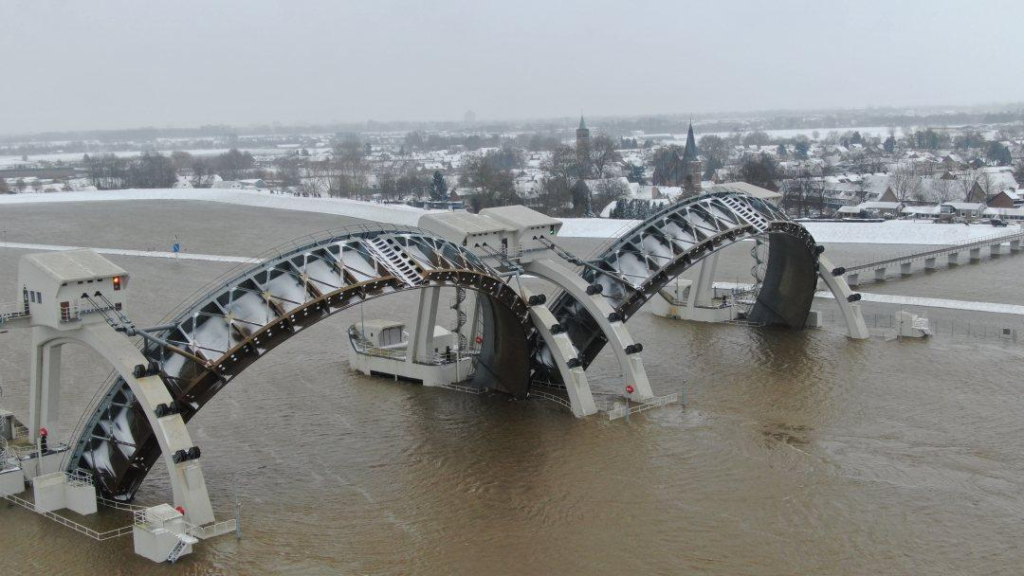
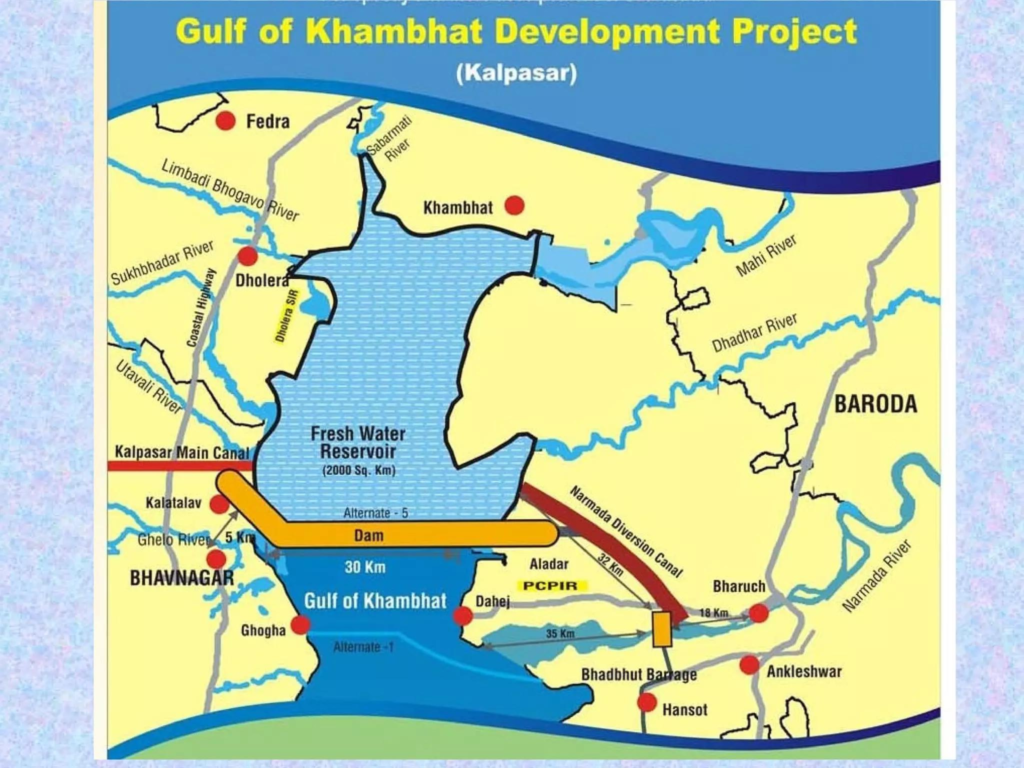
The Netherlands has a world-renowned reputation in water management, hydraulic engineering, and flood control. In a significant technical partnership, the Dutch government agreed to collaborate on Gujarat’s Kalpasar Project — a mega infrastructure initiative that envisions a dam across the Gulf of Khambhat to create a freshwater reservoir and support irrigation, drinking water, and hydropower generation across arid regions of Gujarat. Dutch expertise in tidal management and large-scale water infrastructure will be invaluable to this decades-in-the-making project.
8. Indo-Dutch Centre of Excellence on Floriculture (Tripura)
Agriculture was another major sector of cooperation. The two countries announced the establishment of an Indo-Dutch Centre of Excellence on Floriculture in Tripura, leveraging the Netherlands’ position as the world’s largest exporter of flowers and ornamental plants. The centre will introduce Dutch horticultural techniques, precision farming practices, and post-harvest technologies to Indian flower growers, boosting quality, yield, and export potential from India’s northeast — a region the Indian government has been actively developing.
9. Dairy Training Centre of Excellence (Bengaluru)
Complementing the floriculture centre, a Dutch-supported Dairy Training Centre of Excellence in Bengaluru was also announced. The Netherlands is a global leader in dairy technology, animal nutrition science, and cooperative dairy farming models. This centre will train Indian dairy farmers, veterinarians, and agri-entrepreneurs in modern techniques, directly benefiting millions of farmers across India’s dairy belt and supporting India’s goal of increasing milk production and value-added dairy exports.
10. MoU Between Nalanda University and University of Groningen
In the field of higher education and research, a Memorandum of Understanding was signed between Nalanda University (India) and the University of Groningen (Netherlands). This partnership will enable student and faculty exchanges, joint research programmes, and collaborative academic publishing. Nalanda University, revived in 2014 as a symbol of India’s ancient scholarly tradition, forging ties with one of Europe’s oldest universities signals India’s intent to build globally connected academic institutions.
11. Enhanced Cooperation in Health and Customs
The two nations also agreed to strengthen institutional cooperation in the health sector and customs management. On health, the focus areas include pharmaceutical research, medical technology, and public health systems — sectors where both India and the Netherlands are global leaders in different dimensions. On the customs front, improved coordination will reduce trade friction, speed up goods clearance, and help both sides combat smuggling and illicit trade more effectively.
Business and Investment: Three Sectoral Clusters
Beyond government-to-government deals, the visit also featured a major India-Netherlands Business Roundtable, where Dutch and Indian business leaders outlined investment strategies across three clusters:
- Semiconductors, Technology and Innovation — building on the ASML deal to attract more Dutch tech firms to India
- Infrastructure, Logistics and Maritime — leveraging Dutch expertise in port management, cold chains, and urban infrastructure
- Sustainability, Energy and Agriculture — channelling Dutch green tech investment into India’s energy transition and agri-modernisation
A Visit That Defines a New Era
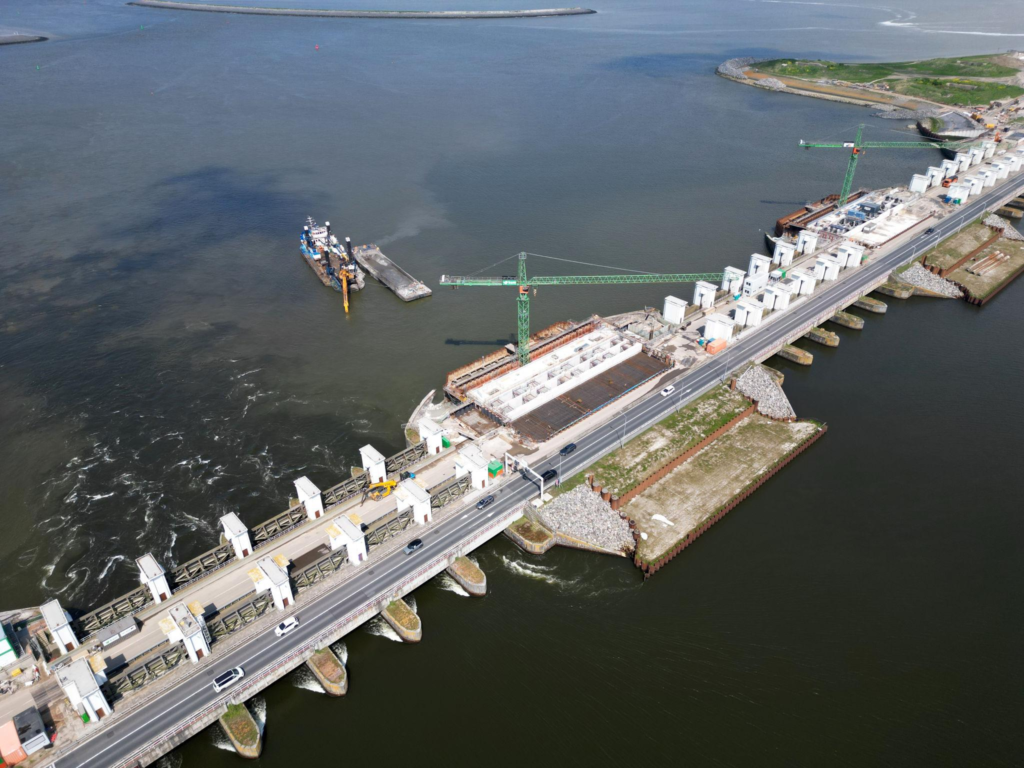
PM Modi, posting on X after the visit, called the 17 outcomes “substantive and important,” adding that they will “add unparalleled momentum to the friendship between India and the Netherlands.” The visit also included a meeting with the Dutch Royal Family and a symbolic stop at the Afsluitdijk, the iconic Dutch dam — a nod to the deep water management partnership the two nations are building.
From semiconductors and green hydrogen to ancient copper plates and dairy farms, PM Modi’s Netherlands visit 2026 stands as one of the most comprehensive bilateral engagements India has undertaken in Europe — a visit that was as much about the future as it was about history.
Keywords: PM Modi Netherlands visit 2026, India Netherlands Strategic Partnership, TATA ASML semiconductor deal, Modi Netherlands outcomes, India Netherlands MoU 2026, Chola copper plates restitution, India green hydrogen Netherlands, Modi Europe tour 2026


