



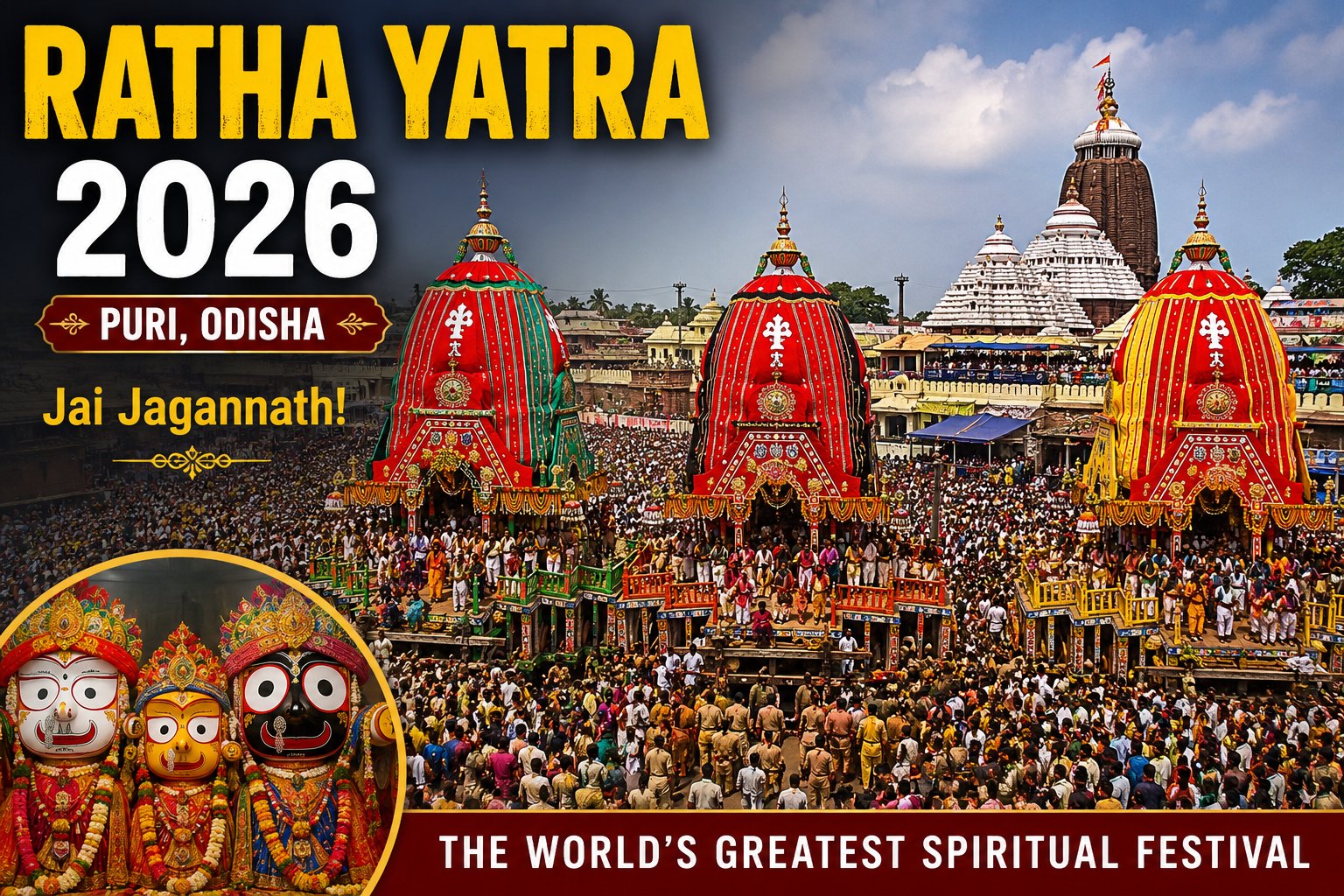
Every year, the holy city of Puri in Odisha becomes the center of one of the world’s largest religious gatherings—the Jagannath Rath Yatra. Millions of devotees from India and across the globe travel to Puri to witness the grand procession of Lord Jagannath, Lord Balabhadra, and Devi Subhadra. In 2026, the sacred festival will once again draw enormous crowds as devotees gather to seek blessings and experience a tradition that has continued for centuries.
What is Rath Yatra?
Rath Yatra, literally meaning “Festival of Chariots,” is the annual journey of Lord Jagannath, Lord Balabhadra, and Devi Subhadra from the Jagannath Temple in Puri to the Gundicha Temple, located about three kilometers away. The deities travel on three magnificent wooden chariots pulled by thousands of devotees along the Grand Road, known locally as Bada Danda.
The festival symbolizes the Lord coming out of the temple to meet all devotees without distinction of caste, creed, religion, or nationality. It is one of the rare occasions when everyone can have a close darshan of the deities.

The History of Rath Yatra
The origins of Rath Yatra date back more than a thousand years. Historical records indicate that the tradition became prominent after the construction of the Jagannath Temple by King Anantavarman Chodaganga Deva during the 12th century.
However, the roots of Jagannath worship are believed to be even older. Scholars suggest that the tradition incorporates tribal, Buddhist, Shaivite, and Vaishnavite influences, making Lord Jagannath a unique symbol of India’s diverse spiritual heritage.
Ancient scriptures such as the Skanda Purana, Brahma Purana, and Padma Purana mention the significance of the chariot festival. Over centuries, Rath Yatra evolved into one of the most important Hindu festivals, attracting pilgrims from every corner of the world.
Why is Rath Yatra Celebrated?
According to Hindu belief, Lord Jagannath wishes to visit his birthplace and aunt’s home at Gundicha Temple once every year. The annual journey commemorates this divine visit.
Spiritually, Rath Yatra represents:
- The journey of the soul toward divine consciousness.
- Equality and inclusiveness among humanity.
- The Lord’s desire to bless all devotees directly.
- Devotion, service, and surrender to God.
Many devotees believe that merely seeing the chariots or participating in pulling the ropes brings spiritual merit and divine blessings.

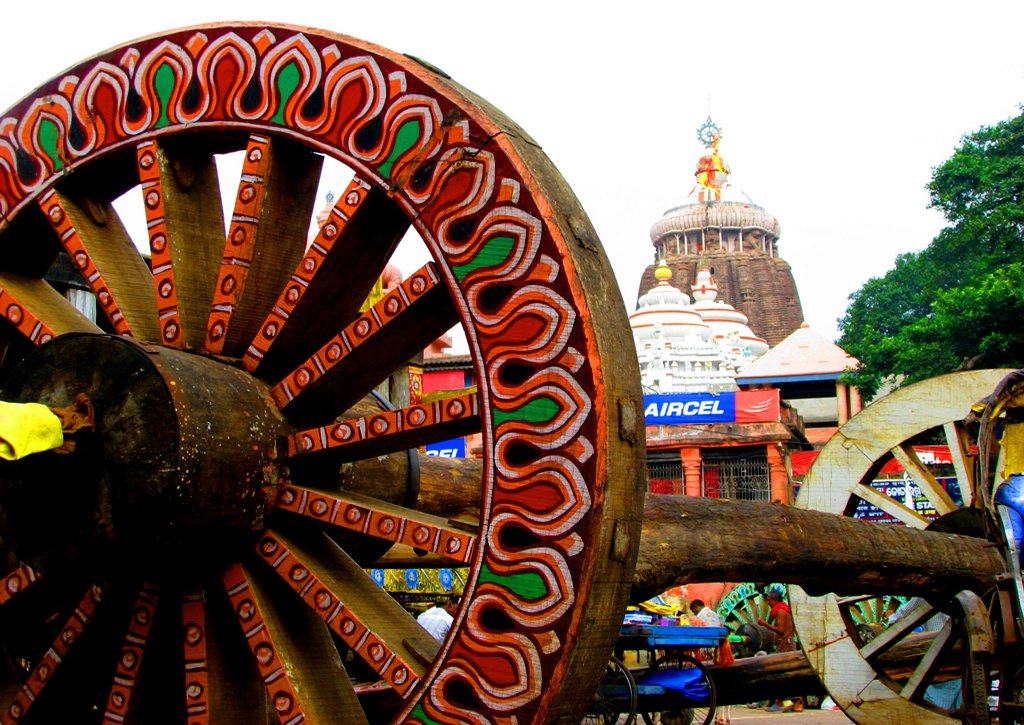
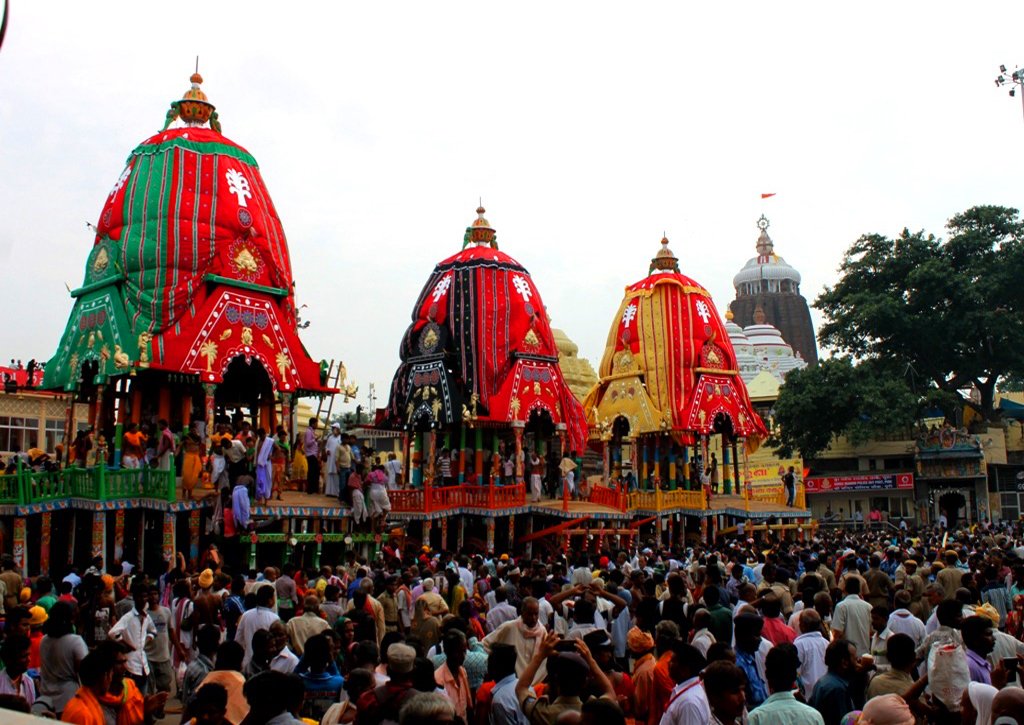
Why Do Millions of People Gather in Puri?
1. Spiritual Significance
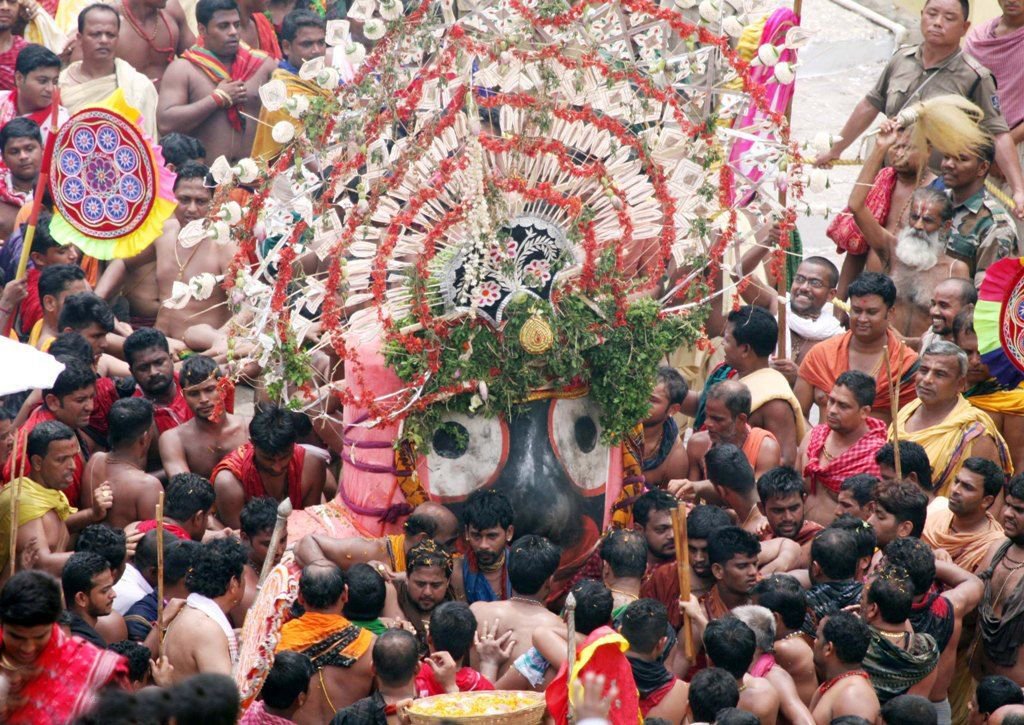
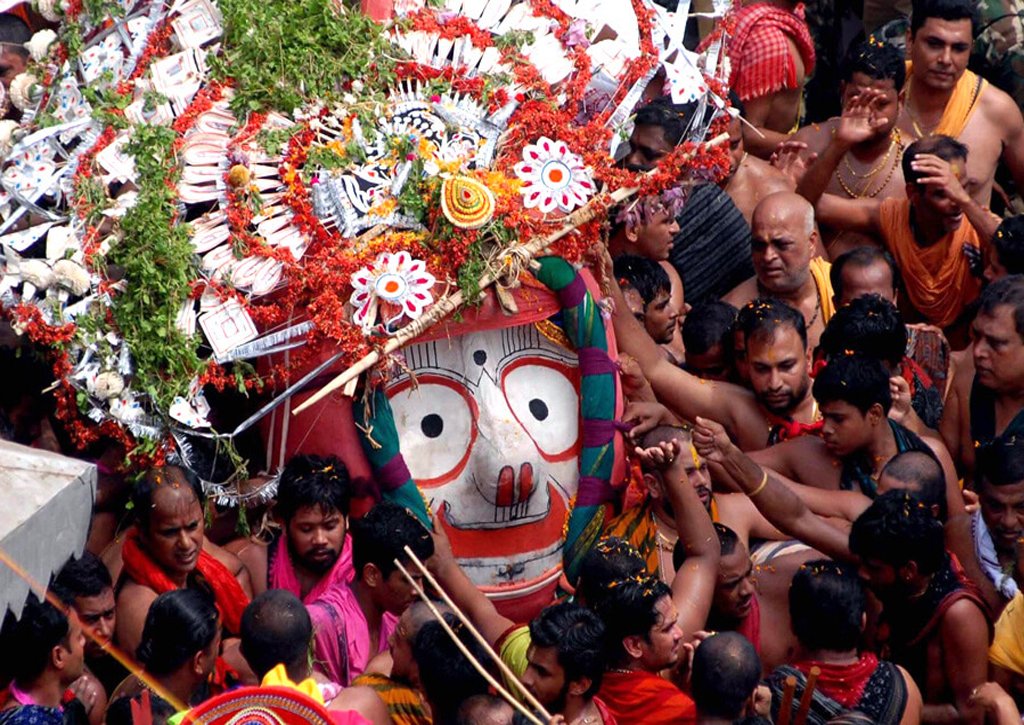
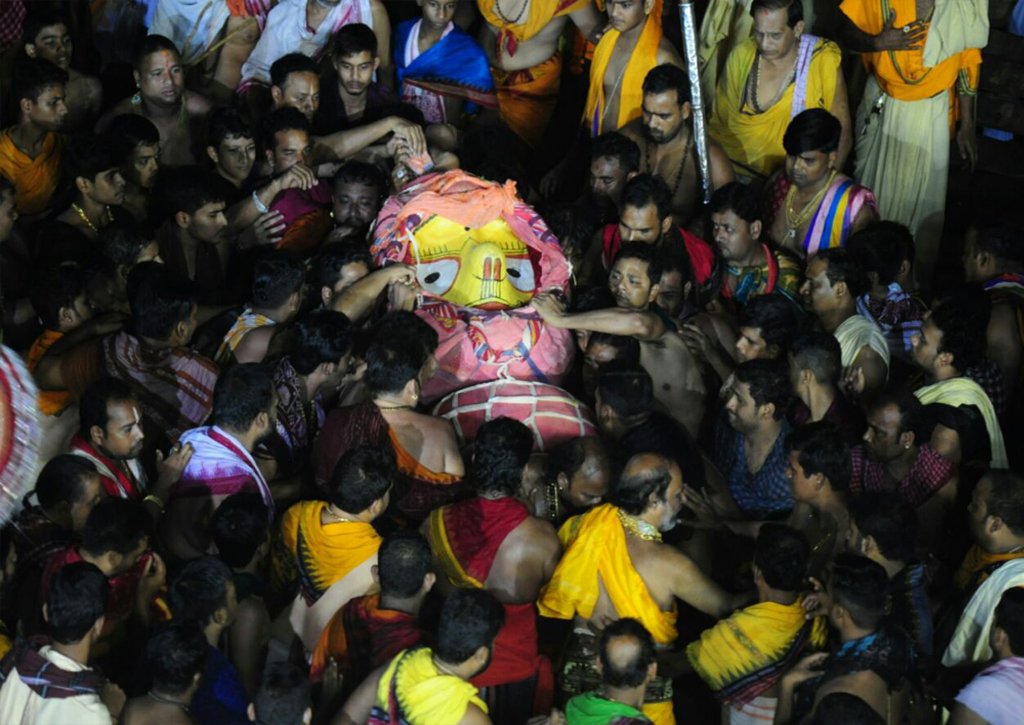
For devotees, witnessing Rath Yatra is considered highly auspicious. Many believe that seeing Lord Jagannath during the procession grants blessings equivalent to visiting the temple multiple times.
2. Unique Opportunity for Darshan
Non-Hindus are not permitted inside the Jagannath Temple. Rath Yatra provides a rare opportunity for people of all faiths and nationalities to see the deities in public.
3. One of the World’s Largest Religious Gatherings
Rath Yatra attracts millions of visitors every year. The sight of gigantic chariots moving through a sea of devotees creates an unforgettable spiritual atmosphere.
4. Global Jagannath Devotion
The influence of Lord Jagannath extends far beyond Odisha. Devotees from the United States, United Kingdom, Australia, Russia, Nepal, Bangladesh, Mauritius, and many other countries participate in Rath Yatra celebrations.
Organizations such as the International Society for Krishna Consciousness (ISKCON) have introduced Rath Yatra festivals in hundreds of cities worldwide, including London, New York, Toronto, Sydney, and Moscow.
5. Cultural Heritage of Odisha
For Odias, Rath Yatra is not merely a religious event but a celebration of identity, tradition, and heritage. The festival showcases Odisha’s rich culture, architecture, music, crafts, and hospitality.
What’s New in Rath Yatra 2026?
Rath Yatra 2026 is expected to witness enhanced security arrangements, advanced crowd-management systems, improved traffic control, expanded medical facilities, and better monsoon preparedness.
The Odisha government is also focusing on infrastructure improvements, sanitation services, drinking water facilities, and digital monitoring systems to ensure a smooth experience for pilgrims.
Live broadcasting and digital streaming will allow devotees around the world to participate virtually in the celebrations.
The Three Sacred Chariots
Every year, new chariots are built using traditional methods and sacred wood.
Nandighosha
- Chariot of Lord Jagannath
- Height: Approximately 45 feet
- 16 wheels
Taladhwaja
- Chariot of Lord Balabhadra
- 14 wheels
Darpadalana (Devadalana)
- Chariot of Devi Subhadra
- 12 wheels
The construction begins on Akshaya Tritiya and follows rituals that have remained unchanged for centuries.
Rath Yatra 2026: Key Dates
- Rath Yatra: 16 July 2026
- Hera Panchami: 20 July 2026
- Bahuda Yatra: 24 July 2026
- Suna Besha: 25 July 2026
- Niladri Bije: 27 July 2026
Conclusion
Jagannath Rath Yatra is much more than a festival. It is a living tradition that unites millions through faith, devotion, and cultural heritage. The sight of Lord Jagannath emerging from the temple and traveling among the people reflects a powerful message of equality and universal love.
As Puri prepares for Rath Yatra 2026, devotees from around the world are eagerly awaiting the opportunity to witness one of humanity’s most extraordinary spiritual celebrations. Whether experienced in person or through live broadcasts, the festival continues to inspire faith and devotion across generations and continents.


