



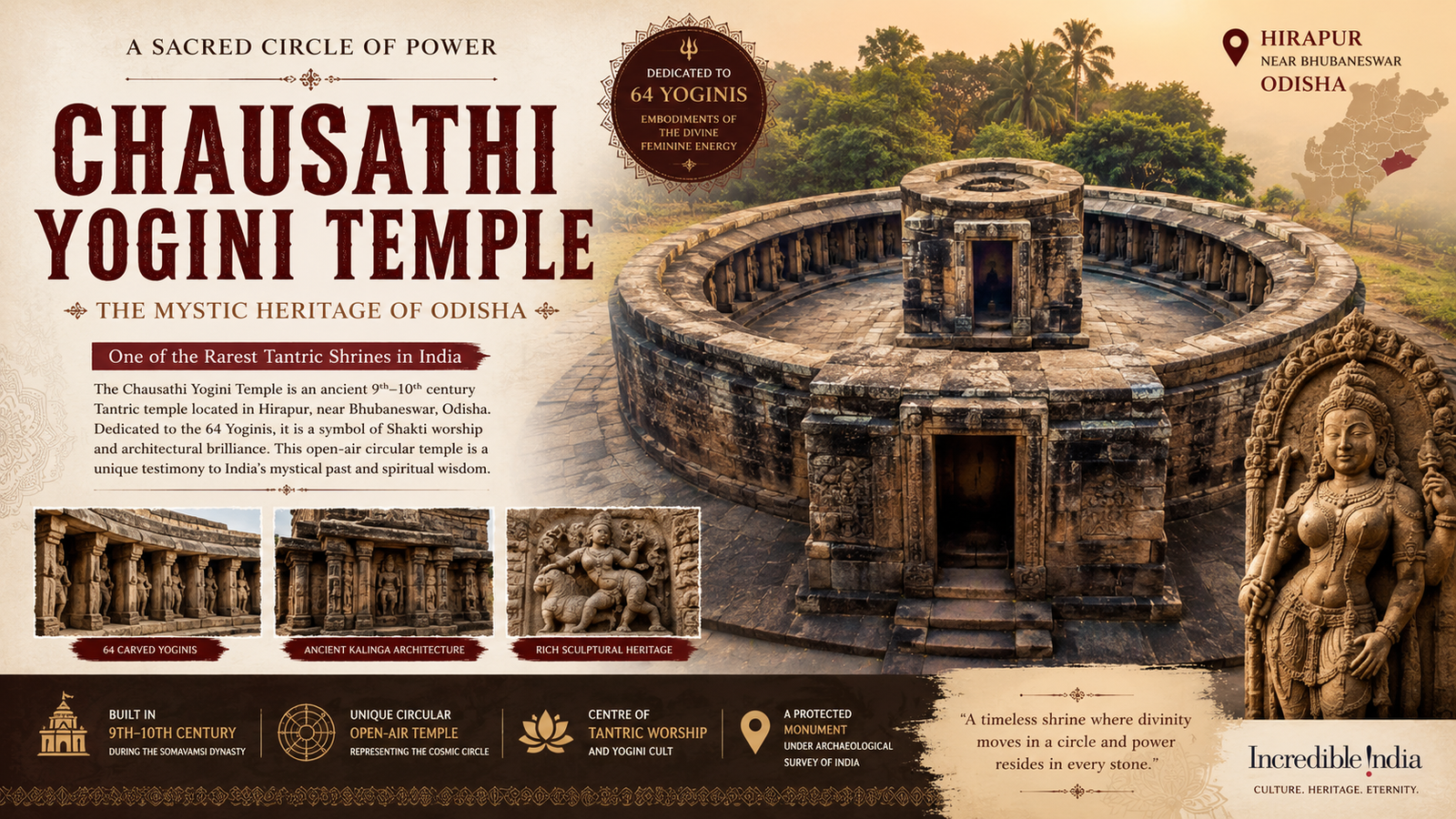
The Chausathi Yogini Temple in Odisha is one of the most mysterious and spiritually powerful temples in India. Located in Hirapur near Bhubaneswar, this ancient shrine is dedicated to 64 Yoginis, divine feminine energies associated with Tantra and Shakti worship. Known for its circular design and open-roof structure, the temple continues to attract devotees, historians, and spiritual seekers.
What is the Chausathi Yogini Temple?
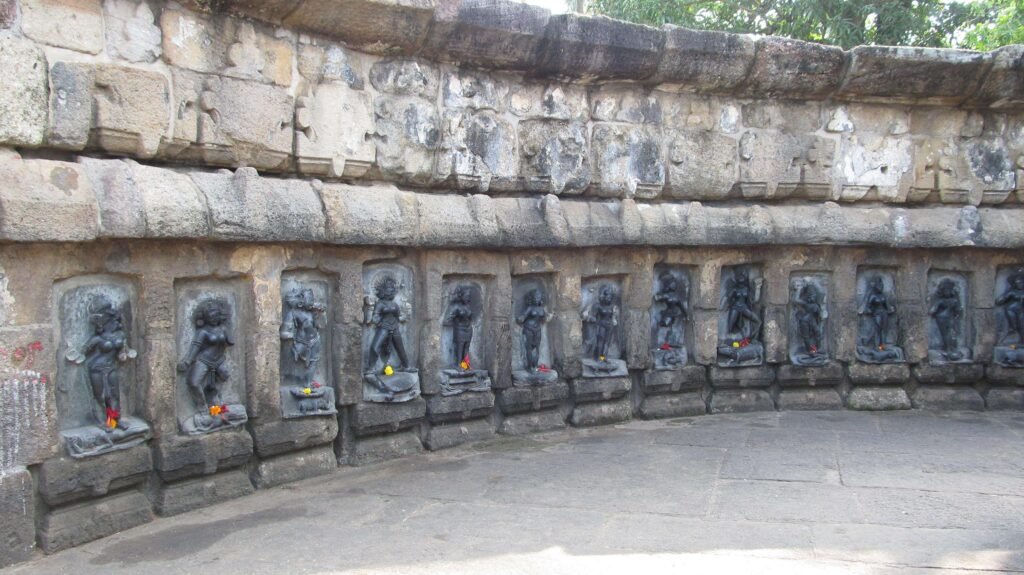
The Chausathi Yogini Temple, also called the 64 Yogini Temple, is a unique shrine where 64 forms of the Goddess are worshipped. Unlike traditional temples, it is built in a circular shape with no roof, symbolizing a connection between the earthly and cosmic energies.

History of Chausathi Yogini Temple
The temple dates back to the 9th century CE and is believed to have been built during the rule of the Bhauma-Kara dynasty. According to historical records, Queen Hiradevi of Odisha is often credited with constructing the temple.
This period saw the rise of Tantric practices in eastern India, and the temple became an important center for secret spiritual rituals and goddess worship.

Who Built It and Why?
The temple was likely built by royal patrons who followed Tantric traditions. The main purpose was:
- To worship divine feminine power (Shakti)
- To perform Tantric rituals for spiritual awakening
- To gain protection, wisdom, and supernatural abilities
Unlike mainstream Hindu temples, this site was used by Tantric practitioners (sadhakas) who sought deeper spiritual transformation rather than just ritual worship.

Unique Architecture and Design
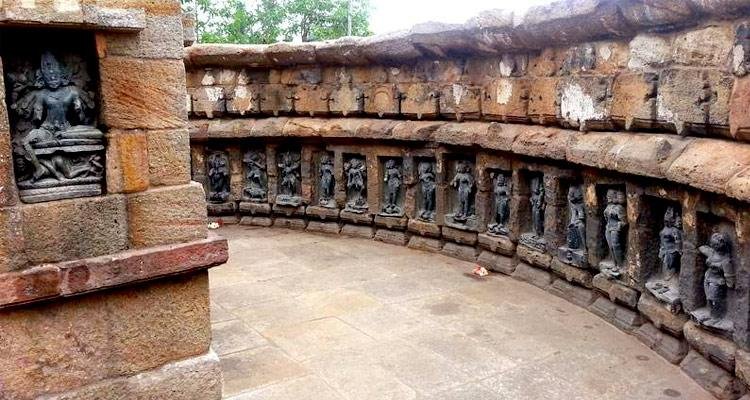
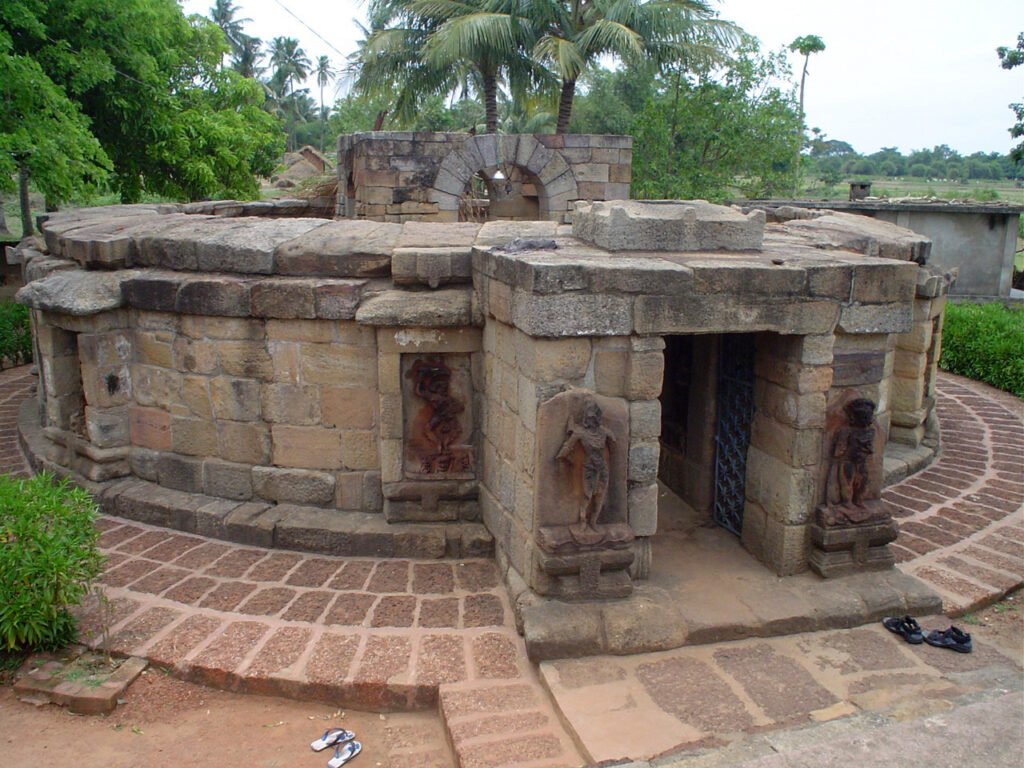
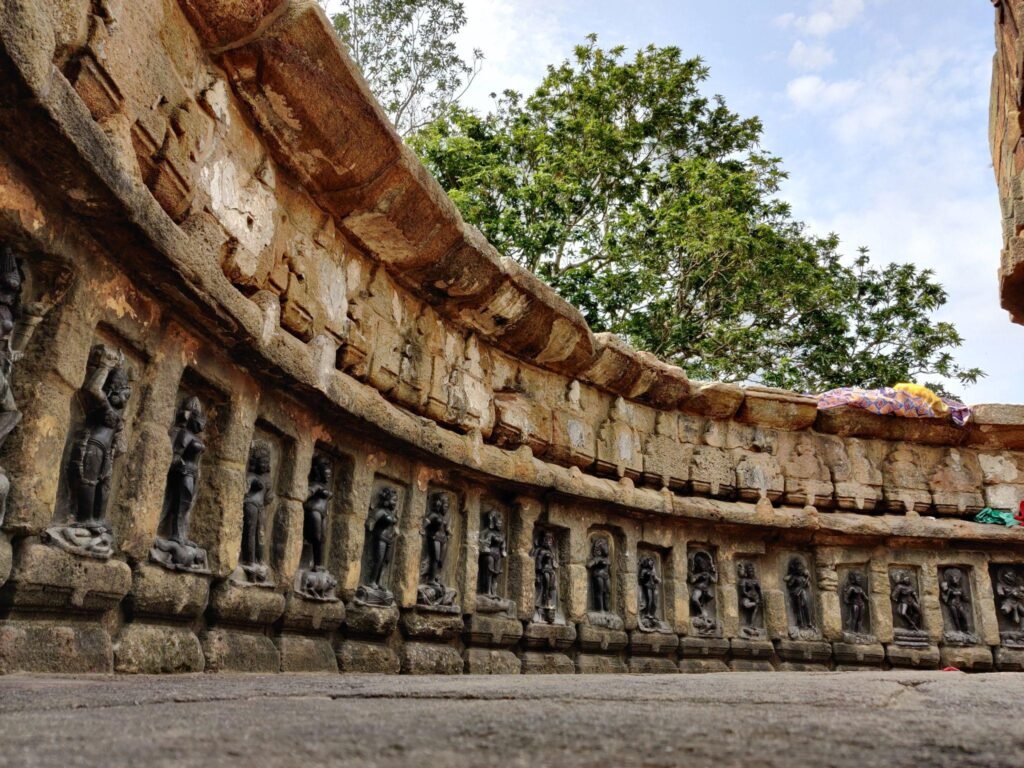
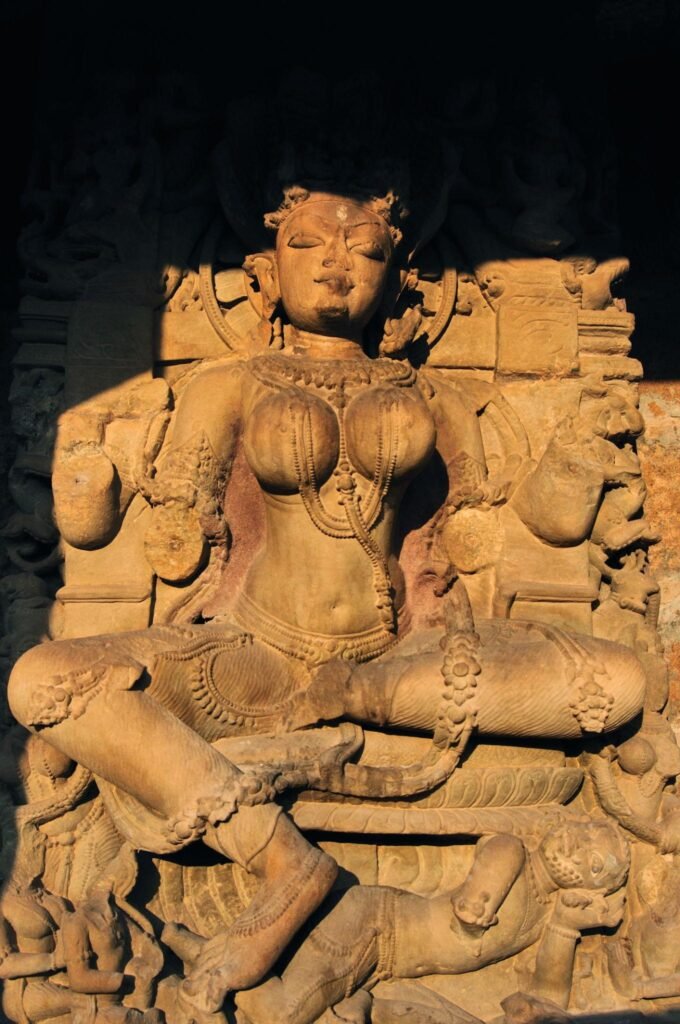
One of the most striking features of the temple is its circular, hypaethral (open-to-sky) structure. The 64 Yogini idols are placed along the inner wall, each carved in stone and representing different forms of feminine energy.
At the center stands a pedestal, often associated with the main goddess or ritual focus point.
This design is not accidental. It is believed to represent a sacred mandala, used for meditation and energy alignment.


Mystery of the Chausathi Yogini Temple
The temple is surrounded by several mysteries:
1. Open Roof Structure
Why does the temple have no roof? Many believe it allows direct connection with cosmic energies and celestial forces.
2. Tantric Rituals
Historically, the temple was a center for Tantric practices, some of which were secret and not documented.
3. Energy Field
Visitors often report a strong spiritual presence inside the temple, especially during early morning or evening hours.
4. Alignment and Geometry
The circular layout is believed to amplify energy, similar to a yantra used in meditation.
Powers of the 64 Yoginis
In Tantric belief, the 64 Yoginis are not just deities but embodiments of cosmic power. Each Yogini represents a specific energy such as:
- Protection from negative forces
- Wisdom and intuition
- Success and prosperity
- Healing and transformation
These powers are symbolic in many interpretations, representing inner strength and spiritual growth.
Can We Experience Their Powers Today?
Many devotees believe that the energy of the Yoginis is still active. While there is no scientific proof, spiritual practitioners say:
- Meditation in the temple can bring mental clarity
- Devotion may help overcome fear and obstacles
- Regular worship can deepen spiritual awareness
The experience largely depends on personal belief and intention.
What Do Devotees Seek Through Worship?
People visit the Chausathi Yogini Temple for various reasons:
- Inner peace and spiritual growth
- Protection from negative influences
- Success in life and career
- Emotional healing and strength
In Tantric philosophy, worship is less about asking for material gains and more about awakening inner power.
Importance in Modern Times
Today, the temple is not just a religious site but also a symbol of ancient Indian knowledge, architecture, and spirituality. It highlights the importance of feminine energy in Indian tradition.
Despite its small size, the temple holds immense historical and spiritual value.
Conclusion
The Chausathi Yogini Temple of Odisha is a rare blend of history, spirituality, and mystery. Built over a thousand years ago, it continues to inspire curiosity and devotion. Whether you visit as a tourist or a seeker, the temple offers a unique glimpse into India’s Tantric heritage and the timeless power of the divine femine.
read more : rcb win ipl 2026


